Legacy Plumbing in Older Zona Norte Homes and How to Handle It
When I bought my house in Zona Norte, the first thing the inspector told me was that the plumbing was older than the street itself. The iron pipes were rusted, the drains gurgled at night, and the cleanout was hidden behind a wall. If you live in an older home here, you already know the challenge: legacy pipes and tight access. The good news is that a desentupidora Cidade Tiradentes São Paulo SP can work with these old systems without tearing your house apart. This article is my personal account of what I learned about maintaining heritage plumbing in Zona Norte, and how to avoid the costly mistakes I almost made.
Why Older Zona Norte Homes Have Plumbing That Predates Modern Standards
Many houses in Zona Norte were built between the 1940s and 1970s, when cast iron, galvanized steel, and even lead pipes were common. These materials were durable for their time, but they corrode, scale, and narrow over decades. The result is low water pressure, frequent clogs, and the risk of leaks inside walls. Unlike modern PVC, legacy pipes cannot always be snaked with standard equipment because the inner walls are rough and fragile. Understanding this is the first step to handling them correctly.
Access is another issue. Older homes often have cleanouts buried under tiles, behind cabinets, or in crawl spaces that are barely wide enough to reach. Some properties still rely on clay or concrete drain lines that tree roots love to invade. When I called a desentupidora Cidade Tiradentes for the first time, the technician spent twenty minutes just locating the access points. That taught me to map my system before an emergency happens.
Common Legacy Plumbing Problems and What They Look Like
Legacy systems fail in predictable ways. Knowing the signs helps you act before a small issue becomes a flooded basement.
Recurring clogs in the same drain
If your kitchen sink or bathroom floor drain backs up every few months, the pipe is likely scaled or partially collapsed. Standard plungers only push the blockage deeper. A professional uses a camera inspection to see the actual condition of the pipe before choosing a method.
Slow drainage throughout the house
When every drain is slow, the main sewer line is the culprit. In older Zona Norte homes, the main line may be clay tile with root intrusion or cast iron with heavy rust. This is not a DIY job because aggressive snaking can crack brittle pipes.
Foul odors and gurgling sounds
Gurgling after flushing means air is trapped, often due to a blocked vent or a partially clogged stack. Odors that persist after cleaning suggest a broken seal or a crack in the vent system. Never ignore persistent sewer smells; they can indicate a health hazard.
Water stains on walls or ceilings
Legacy supply lines and drain pipes leak at joints. A small stain today can be a burst pipe tomorrow. If you see discoloration, shut off the water and call a professional.
How to Handle Legacy Pipes Without Damaging Your Home
The right approach depends on the material and condition of your pipes. Here is the cautious sequence I recommend, based on what worked for my house.
- Inspect before you act. A camera inspection reveals cracks, roots, and scale. It costs a bit upfront but prevents unnecessary digging.
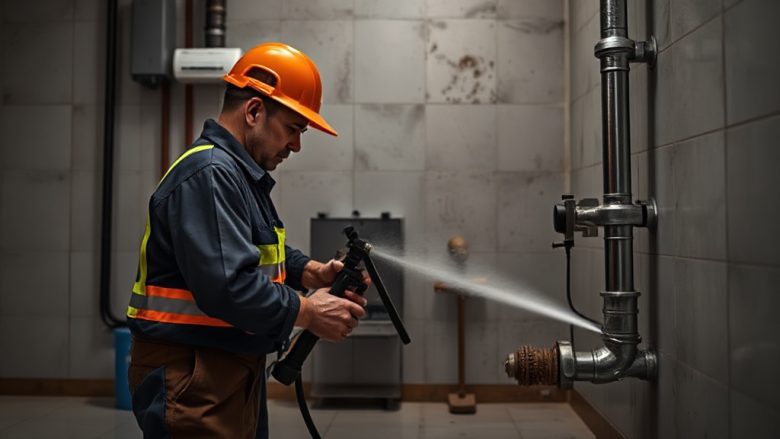
- Choose the least invasive method first. Hydro-jetting uses high-pressure water to scour the pipe walls without scratching them. For cast iron, a lower pressure setting is safer than a rotating snake.
- Repair access points. If your cleanout is buried, have a professional install a new access point in a sensible location. This makes future maintenance easier and cheaper.
- Consider trenchless repair for damaged sections. Pipe lining or burst replacement can fix a collapsed section without destroying your garden or floor tiles.
- Schedule preventive maintenance. An annual visit from a desentupidora em Cidade Tiradentes São Paulo SP can catch small issues before they become emergencies.
One mistake I almost made was pouring chemical drain cleaner into a rusted pipe. Chemical cleaners can accelerate corrosion in older metals and damage the environment. Mechanical cleaning is safer for legacy systems.
When to Call a Professional vs. When to Wait
Not every slow drain requires an emergency call, but some situations do. Here is a simple comparison to help you decide.
| Situation | DIY action | Professional needed |
|---|---|---|
| Single sink draining slowly | Try a plunger or hand snake | If it recurs within a month |
| Multiple drains backing up | None | Yes, immediately |
| Sewage backup in basement | Stop using water | Yes, emergency service |
| Gurgling but no backup | Check vent | If odor persists |
| Water stain on wall | Shut off water | Yes, same day |
In my case, I waited too long on a gurgling drain. By the time I called, the pipe had cracked and water was seeping under the floor. Early intervention saves money and prevents structural damage. A professional can also advise whether your legacy pipes need partial replacement or just cleaning.
Preventive Care for Heritage Plumbing in Zona Norte
Once your pipes are clean and functioning, a few habits keep them that way. First, avoid flushing wipes, grease, or hair down the drain. Even if the package says flushable, legacy pipes cannot handle them. Second, install strainers in every drain to catch debris. Third, keep a record of your pipe layout and access points; future technicians will thank you. Finally, schedule a maintenance visit every 12 to 18 months. The cost is modest compared to emergency repairs, and it gives you peace of mind during the rainy season when roots grow aggressively.
If you are unsure where to start, ask a local specialist for a camera inspection. Many companies offer this service along with cleaning. In Zona Norte, where houses are old and access is tight, having a trusted contact is invaluable. I now keep the number of my local desentupidora on the fridge, and I sleep better knowing that a burst pipe will not turn into a week-long renovation.
Frequently Asked Questions
Can old cast iron pipes be cleaned without replacement?
Yes, in many cases. Hydro-jetting can remove scale and rust without damaging the pipe, as long as the pipe is structurally sound. A camera inspection will confirm whether cleaning is safe or if lining is needed.
How do I find a cleanout that is buried under tiles?
A plumber can use a drain camera or a pipe locator to trace the line and mark the cleanout location. In some cases, they may install a new access point in a more accessible spot.
Is chemical drain cleaner safe for legacy pipes?
No. Chemical cleaners can corrode old metal and damage the environment. Mechanical methods like snaking or hydro-jetting are safer and more effective for heritage plumbing.
How often should I schedule maintenance for old pipes?
Every 12 to 18 months is a good rule of thumb, especially if you have trees near the sewer line. Regular maintenance catches root intrusion and scale buildup early.
What should I do if sewage backs up into my house?
Stop using water immediately and call an emergency desentupidora. Do not try to clean it yourself; sewage contains harmful bacteria. A professional will clear the blockage and sanitize the area.